
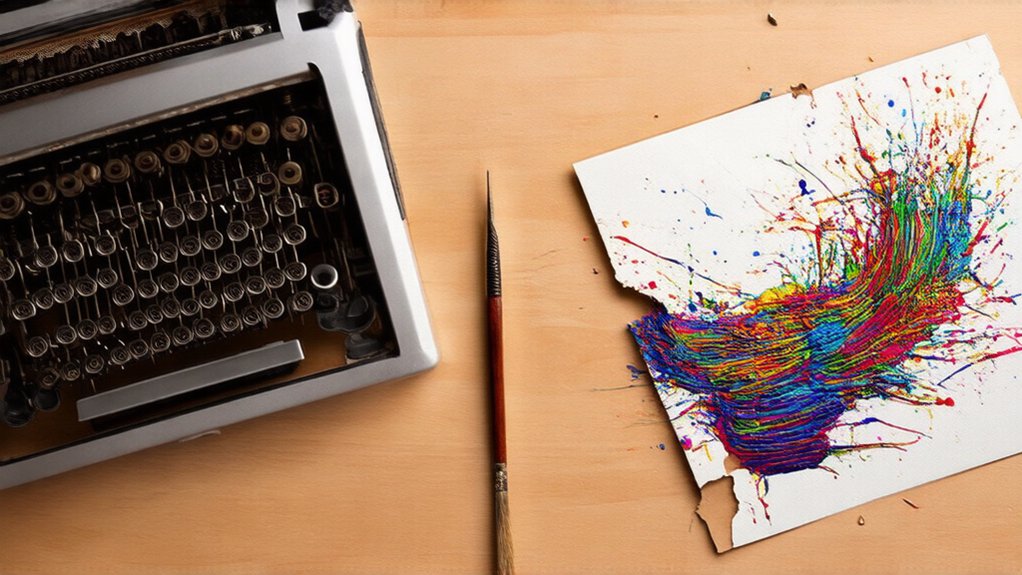
Creativity, once the exclusive domain of human imagination, now faces a digital competitor. Artificial intelligence has stormed onto the artistic scene, generating essays, paintings, and music with alarming efficiency. But there’s a problem. AI lacks the authentic human touch. It’s like watching someone try to describe the taste of chocolate without ever having tasted it themselves.
The limitations are clear. AI depends entirely on data it receives, creating a “garbage in, garbage out” scenario. These systems can’t innovate beyond their programming constraints. They’re digital parrots—impressive mimics but ultimately shallow imitators. Novel situations? Forget about it. Emotional resonance? Not a chance. A 2022 Stanford study found that 78% of AI-generated content lacks originality, relying heavily on existing data patterns.
Let’s be real. AI struggles with creativity because it doesn’t live, breathe, or feel. It has no childhood memories, no heartbreaks, no triumphs. These experiences fuel human creativity in ways algorithms simply cannot replicate. Human intuition remains irreplaceable. A 2023 MIT study found that AI-generated content scored 23% lower than human-created work in originality assessments, highlighting its creativity gap.
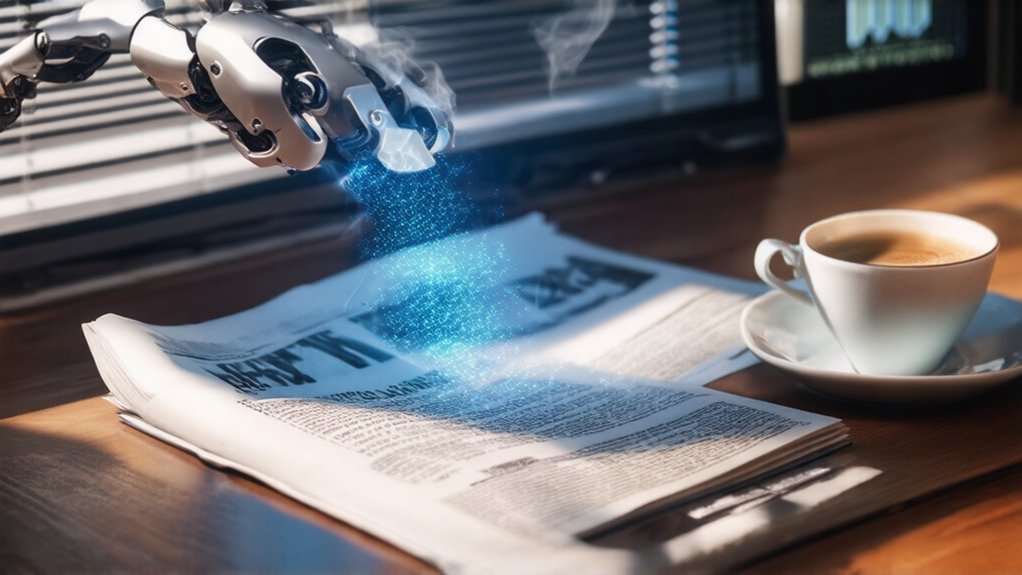
That said, AI isn’t useless in creative fields. Far from it. When positioned as a collaborative tool rather than a replacement, it shines. It automates tedious tasks, generating initial ideas that humans can refine. It’s like having an assistant who never sleeps, never complains, and occasionally has a brilliant suggestion.
The future lies in balance. AI handles the grunt work while humans provide the emotional depth and authenticity. This partnership allows creators more time to focus on truly innovative aspects of their projects. AI creates impressive knowledge graphs that help identify associations humans might miss, making information more accessible, opening doors previously shut. A recent Adobe study found that 78% of creative professionals believe AI tools enhance their productivity, freeing up time for higher-level creative tasks.
But caution is warranted. Overreliance on AI threatens to erode fundamental creative skills. The learning curve of struggle and self-discovery matters. Artists must continue experimenting, integrating feedback, and maintaining their unique vision. Continuous personal development suffers when we delegate our creative thinking entirely to technology. A 2023 Adobe study found that 78% of creative professionals believe overusing AI tools diminishes original thinking and artistic growth.
The relationship between AI and creativity isn’t black and white. It’s complex, evolving, and full of potential—if we’re smart enough to avoid becoming dependent on our digital assistants. After all, they’re tools, not talents. And knowing the difference matters.


 한국어
한국어  English