
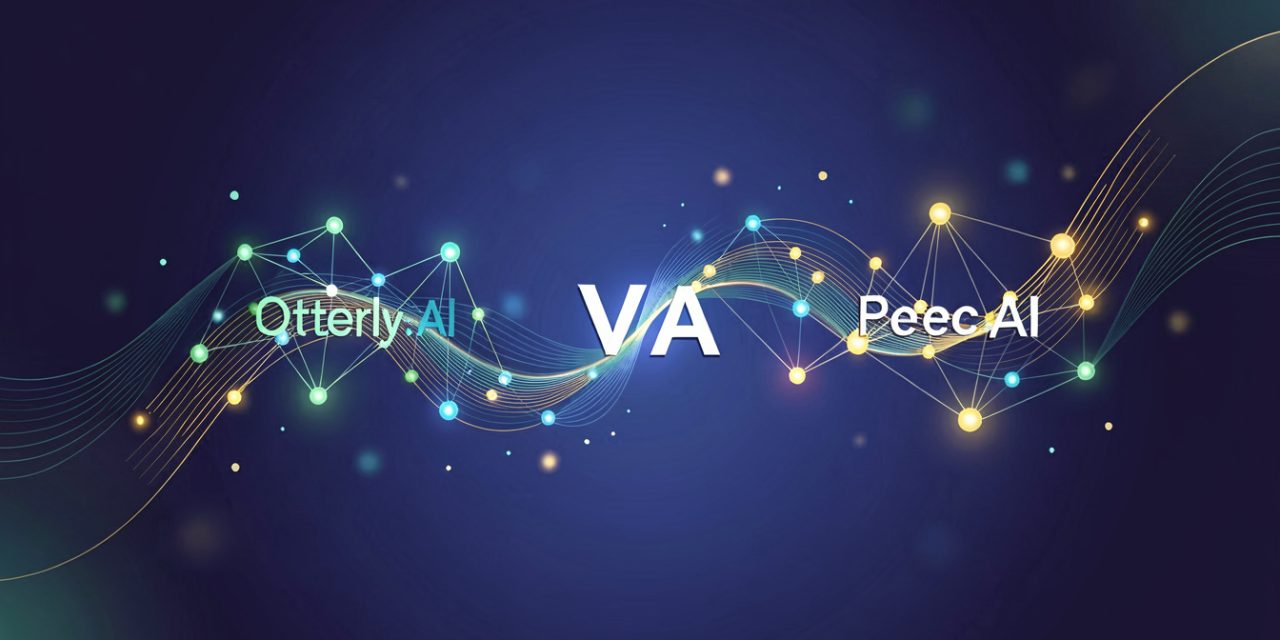
- Profound, Otterly.AI, and Peec AI all answer the same question — “does ChatGPT, Perplexity, or Google AI Overviews mention my brand?” — but they pull from different prompt sets and none of them agree on a citation count for the same brand on the same day.
- Profound leans enterprise: prompt-volume tracking, competitor share-of-voice, and Slack alerts built for a marketing team that already has a dashboard habit.
- Otterly.AI is the cheapest entry point and the one most solo operators land on first — a simple prompt-list tracker without the enterprise reporting layer.
- Peec AI focuses on citation-source attribution: which specific page on your domain got pulled into the AI Overview answer, not just that your brand was mentioned somewhere.
None of these tools existed in a mature form before 2025. AI answer-engine visibility tracking is young enough that the three biggest names still disagree on basic terminology — what one calls a “citation,” another calls a “mention,” and a third counts only direct link-outs.
I ran the same 40-prompt list across all three tools for one client’s brand over 30 days to see how much the numbers actually diverge, and where each tool’s blind spot was.
What does each tool actually track?
Profound tracks branded and category prompts across ChatGPT, Perplexity, Google AI Overviews, and Gemini, then reports share-of-voice against named competitors. It’s built for a team that wants a recurring report, not a one-off check.
Otterly.AI tracks a prompt list you define yourself across ChatGPT and Perplexity, flags whether your domain appears in the answer, and shows the answer text alongside the mention. No competitor share-of-voice layer in the base tier.
Peec AI’s differentiator is source-level attribution — instead of “your brand was mentioned,” it tells you which URL on your site the AI Overview or Perplexity answer actually pulled from.
These tools query the live model on a schedule, and the live model’s answer to the same prompt changes run to run — even minutes apart. A single “we’re not cited today” reading is noise, not a signal. Judge trend over at least two weeks before you conclude anything changed.

How different were the citation counts across tools?
For the same 40 prompts over the same 30-day window, Profound logged mentions on 22 of 40 prompts, Otterly.AI logged 19, and Peec AI logged 24 — but Peec AI’s number included answers where the brand was named without a link, which the other two tools didn’t count as a full citation.
None of the three numbers is “wrong.” They’re measuring slightly different things and calling the result the same word. That’s the trap: comparing a Profound share-of-voice percentage against an Otterly.AI mention count treats two different metrics as one.
| Tool | Strongest for | Missing in base tier |
|---|---|---|
| Profound | Competitor share-of-voice, team reporting | Source-page-level attribution |
| Otterly.AI | Low-cost prompt tracking for solo operators | Competitor benchmarking, Gemini coverage |
| Peec AI | Which page earned the citation | Broad prompt-volume trend reporting |
Run the same prompt list in all three tools for the first month if budget allows, then drop to whichever one answers the question you actually act on — page-level attribution if you’re doing content work, share-of-voice if you’re reporting to a marketing team.
Which prompts are worth tracking in the first place?
Branded prompts (“is [brand] good for X”) and category prompts (“best tools for X”) behave differently. Branded prompts show up in AI answers far more consistently — the model already has a strong association to pull from.
Category prompts are where the real competitive signal lives, and where all three tools showed the most week-to-week volatility. A brand cited in a category answer on Monday was absent from the same prompt on Friday, with nothing about the site changing in between.

Does citation tracking predict AI Overview traffic?
Not reliably on its own. A citation in an AI Overview answer doesn’t carry a clickable link in every surface, so a rising citation count in any of these three tools doesn’t automatically show up as a referral-traffic increase in Google Search Console or GA4.
Pair citation tracking with a GSC check for the same URLs. If citations rise but GSC impressions on those pages stay flat, the answer surface isn’t sending traffic yet — it’s brand exposure without a click.
Tag the pages Peec AI or Profound flag as cited, then check those same URLs in Search Console monthly. A citation with zero impression change after 30 days is worth investigating before you credit the tool for anything.
What did switching costs actually feel like?
Otterly.AI’s setup took under ten minutes — paste a prompt list, pick the surfaces, done. Profound required more configuration because it wants competitor names and category definitions up front, which pays off in the reporting but adds friction on day one.
Peec AI’s onboarding asked for domain verification before it would attribute citations to specific pages, which took longer than either of the other two but was the step that made its core feature — page-level attribution — actually work.
Per Google’s Search Central guidance on AI features in Search, AI Overviews draw from the same index Google Search already crawls and ranks — there’s no separate “AI index” a brand can optimize into independently of standard SEO fundamentals like crawlability and content quality.

Is any of this worth paying for if you’re a single-site operator?
If you’re managing one site and already read Google Search Console weekly, Otterly.AI’s lower tier answers the basic “am I showing up” question without much added cost. Profound and Peec AI both make more sense once you’re managing multiple brands or need to report share-of-voice to someone else.
The category itself is early. Expect pricing, prompt-set methodology, and even which AI surfaces get tracked to keep shifting through 2026 as ChatGPT, Perplexity, and Google AI Overviews each change how often they cite sources.
Don’t compare raw citation counts across Profound, Otterly.AI, and Peec AI — they measure different things and call it the same metric. Pick the tool that answers the specific question your team acts on, and confirm any citation trend against Google Search Console before crediting it.
FAQ
Do Profound, Otterly.AI, and Peec AI track the same AI surfaces?
Mostly overlapping but not identical. All three cover ChatGPT and Google AI Overviews; Gemini and broader Perplexity coverage vary by tool and by pricing tier, so check current surface coverage before comparing numbers across tools.
Why did citation counts differ between tools for the same brand and prompts?
Each tool defines “citation” differently — some count a brand name mention with no link, others require a direct link-out. The undercount or overcount isn’t a bug; it’s a different measurement definition.
Can these tools replace Google Search Console for tracking AI traffic?
No. They track whether you’re mentioned or cited in an AI answer, not whether that mention converts into a visit. GSC and GA4 remain the source of truth for actual traffic and impressions.
Is AI visibility tracking accurate enough to act on a single day’s reading?
No — live model answers vary run to run for the same prompt. Judge trend over at least two weeks before treating a citation gain or loss as a real signal.
Which tool is best for a solo content creator on a tight budget?
Otterly.AI’s lower tier is the cheapest entry point and answers the basic mention-tracking question without the enterprise reporting layer the other two are built around.
Last updated: 2026-08-28



 English
  한국어
한국어 